Computed, not maintained
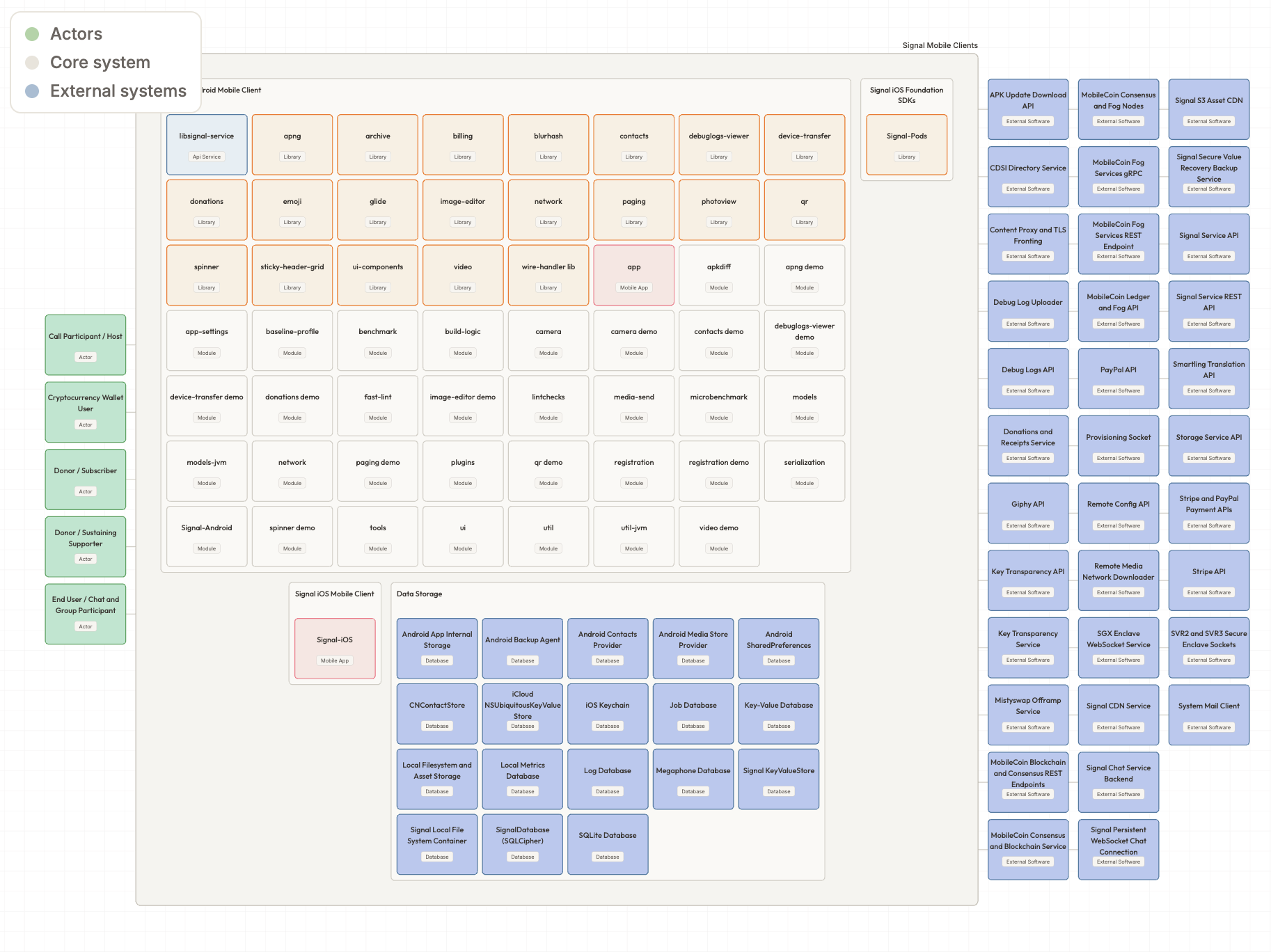
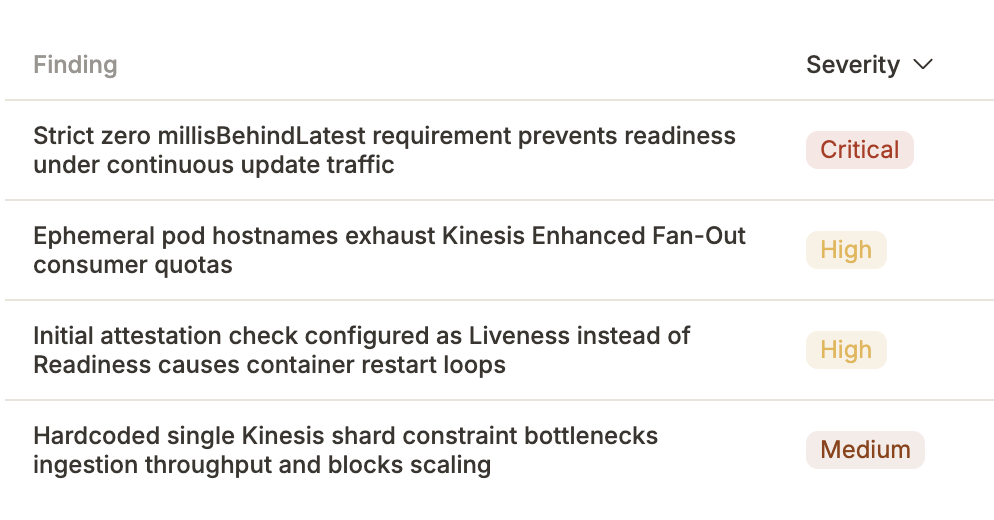
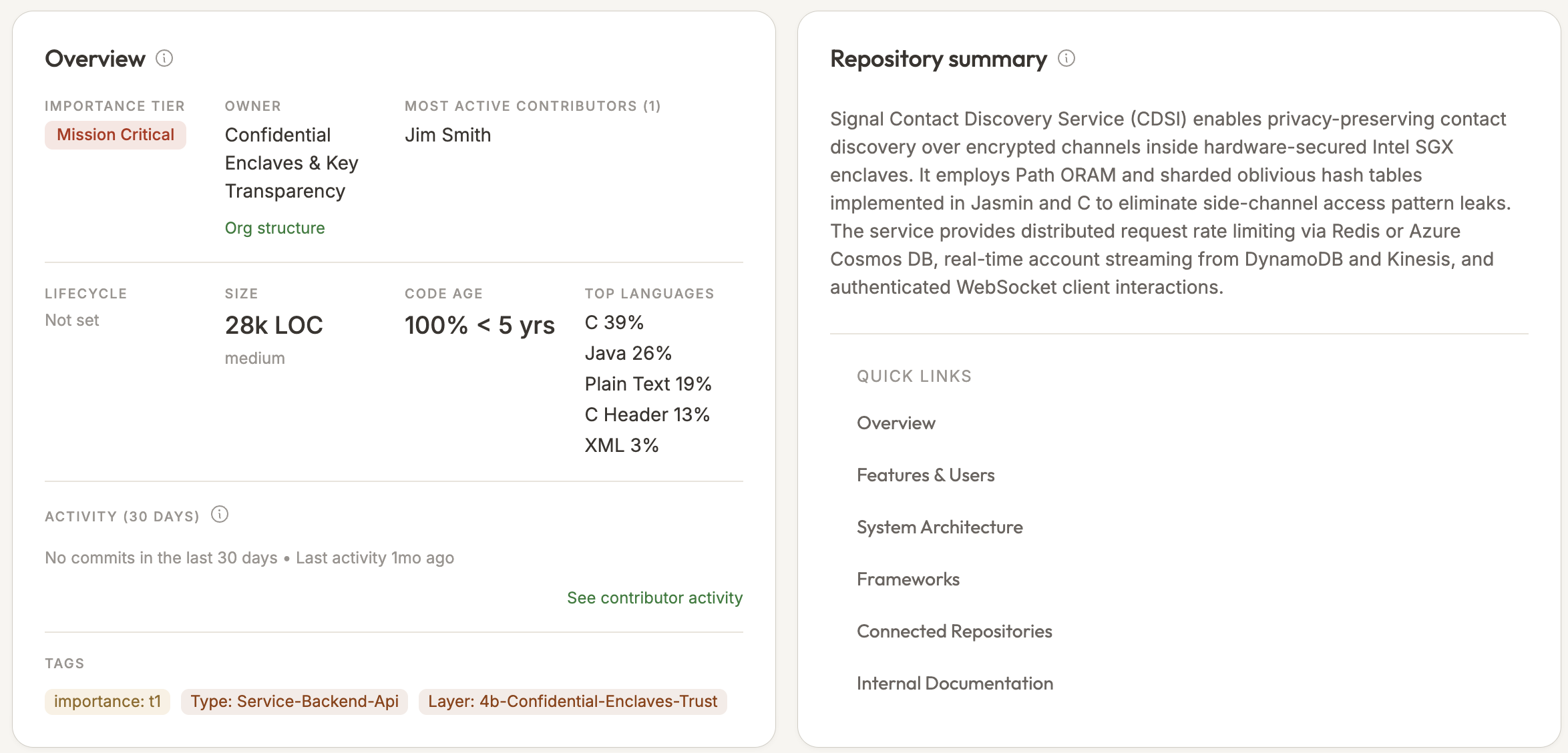
Health scores, ownership, and architecture are computed directly from real Git history and static code analysis. No manual YAML registration, no stale portal data.
Port helps you run workflows on top of your engineering tools. Comper understands the software itself, automatically, so everyone knows how things work, who owns what and the impact of every change.
Comper derives its model from your source code and Git history, not only from what your tools and catalog report.
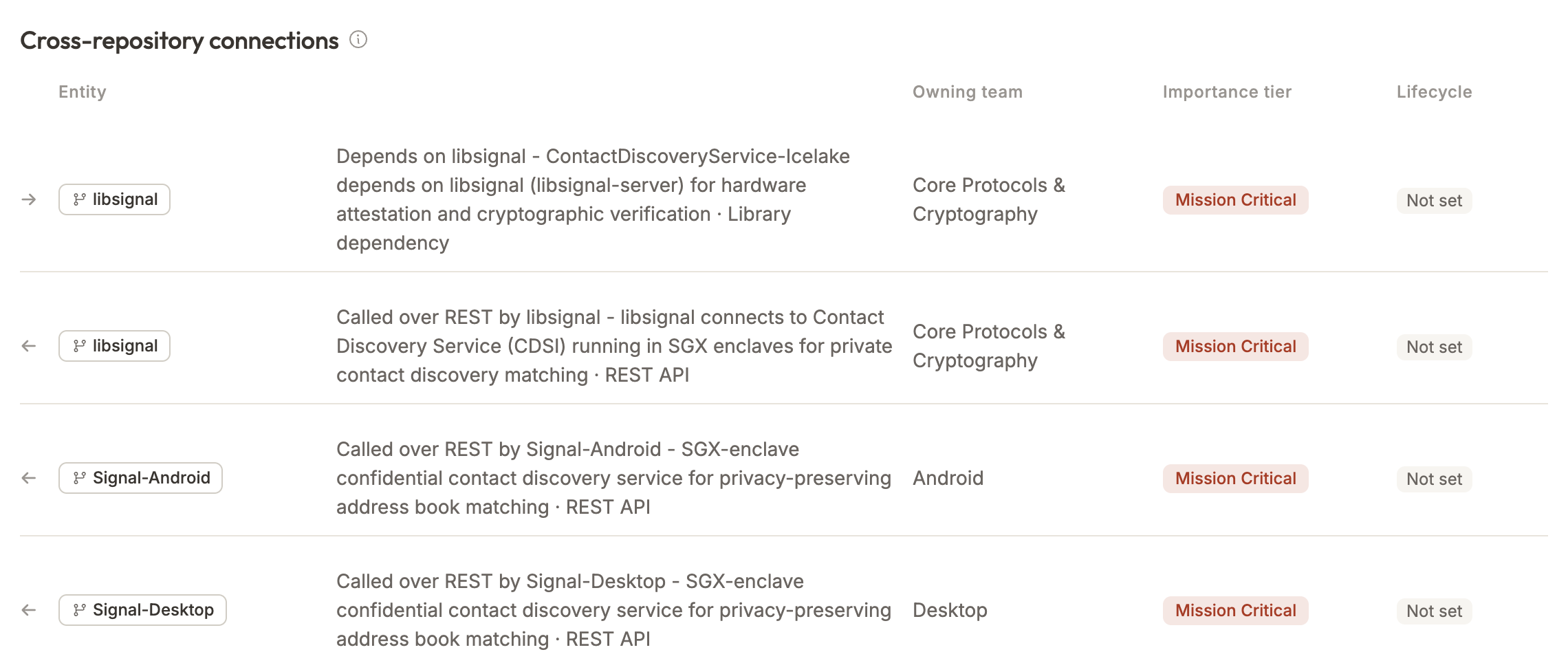
Ask what a change or a whole initiative would affect, across systems and teams, before a ticket or workflow exists.
Comper analyses your entire Git history, so you can see how architecture, ownership and risk have changed over the years.
Legacy engineering tools force teams to buy, integrate, and maintain three or four separate platforms. Comper consolidates software context, engineering metrics, developer portal visibility, and code quality into a single, automated spatial canvas.
Health scores, ownership, and architecture are computed directly from real Git history and static code analysis. No manual YAML registration, no stale portal data.
An infinite, living, zoomable visual map connecting repositories, architecture diagrams, and team ownership in real time.
Native Model Context Protocol (MCP) context, AI tool adoption tracking, and agent-readiness scoring designed specifically for the AI coding era.
Replace separate subscriptions for engineering productivity (Swarmia), developer catalogs (Backstage/Port), and code quality engines.
Provides the foundations, services, and standards that enable developers to build and ship software efficiently.
Provides visibility into code health, quality, and engineering metrics to drive better decisions and outcomes.
Help developers and engineering leadership plan, build, test, collaborate, and deliver software more effectively.
The shared understanding of the codebase, systems, architecture and developer activity that connects everything.
Port and Comper both provide context to humans and AI agents, support MCP, connect engineering systems, and enable action across the software lifecycle.
Generated from your source code and Git history on every change, not assembled from tool integrations.
| Capability | Port | Comper |
|---|---|---|
| Self-hosted option | SaaS platform, with self-hosted integrations | Fully on-prem or SaaS |
| Maintenance & administration | Data model, integrations & workflows to configure and maintain | None needed, computed from your code |
| Engineering context layer | ||
| Software catalog | ||
| Engineering tool integrations | ||
| MCP | ||
| AI agents | ||
| Agent actions | ||
| Workflow orchestration | ||
| Developer self-service | ||
| Infrastructure provisioning | ||
| Agent governance | ||
| Scorecards & standards | ||
| Source-code-derived software graph | Limited | |
| Code-level dependencies | Limited | |
| Architecture derived from software | Limited | |
| Software history & evolution | Limited | |
| Knowledge derived from code history | Limited | |
| Product flow → technical reality | Limited | |
| Change impact reasoning | Context/workflow-driven | |
| Pre-build impact analysis | Limited | |
| Context for code-changing agents | ||
| Business idea → technical impact | Limited |
Engineering ecosystem → Context → Orchestration
Context Lake
Bring your engineering ecosystem together and operate it.
Software reality → Context → Reasoning → Action
Living Software Graph
Understand what exists, determine what needs to change, and give humans and agents the context to make it happen.
The future of software development isn't just agents completing more and more tickets. It's agents understanding increasingly high-level intent.
The higher the level of intent, the more context the agent needs. Repositories aren't enough. Tickets aren't enough. Tool access isn't enough.
Agents need to understand the architecture, dependencies, history, ownership, product and business context of the software they're changing.
That's the layer Comper is building.
Choose Comper when the challenge starts before the workflow.
When the question isn't “How do we automate this task?” but “What actually needs to change?”, Comper builds a living model of your software so humans and AI agents can understand intent, reason through its impact and act with the right context.
From an individual code change to a company-wide initiative.
Choose Port if your primary challenge is building and operating an agentic engineering platform.
If you need developer self-service, infrastructure workflows, scorecards, standards, agent governance, approvals and orchestration across your engineering toolchain, Port is purpose-built for it.