Computed, not maintained
Health scores, ownership, and architecture are computed directly from real Git history and static code analysis. No manual YAML registration, no stale portal data.
CodeScene helps you keep your code healthy and pay down technical debt. Comper does that too, and connects your whole software landscape to product and business intent, so everyone knows what an idea will affect and what needs to change before it's built.
Begin with a product idea or business goal and see which systems, repositories and teams it affects.
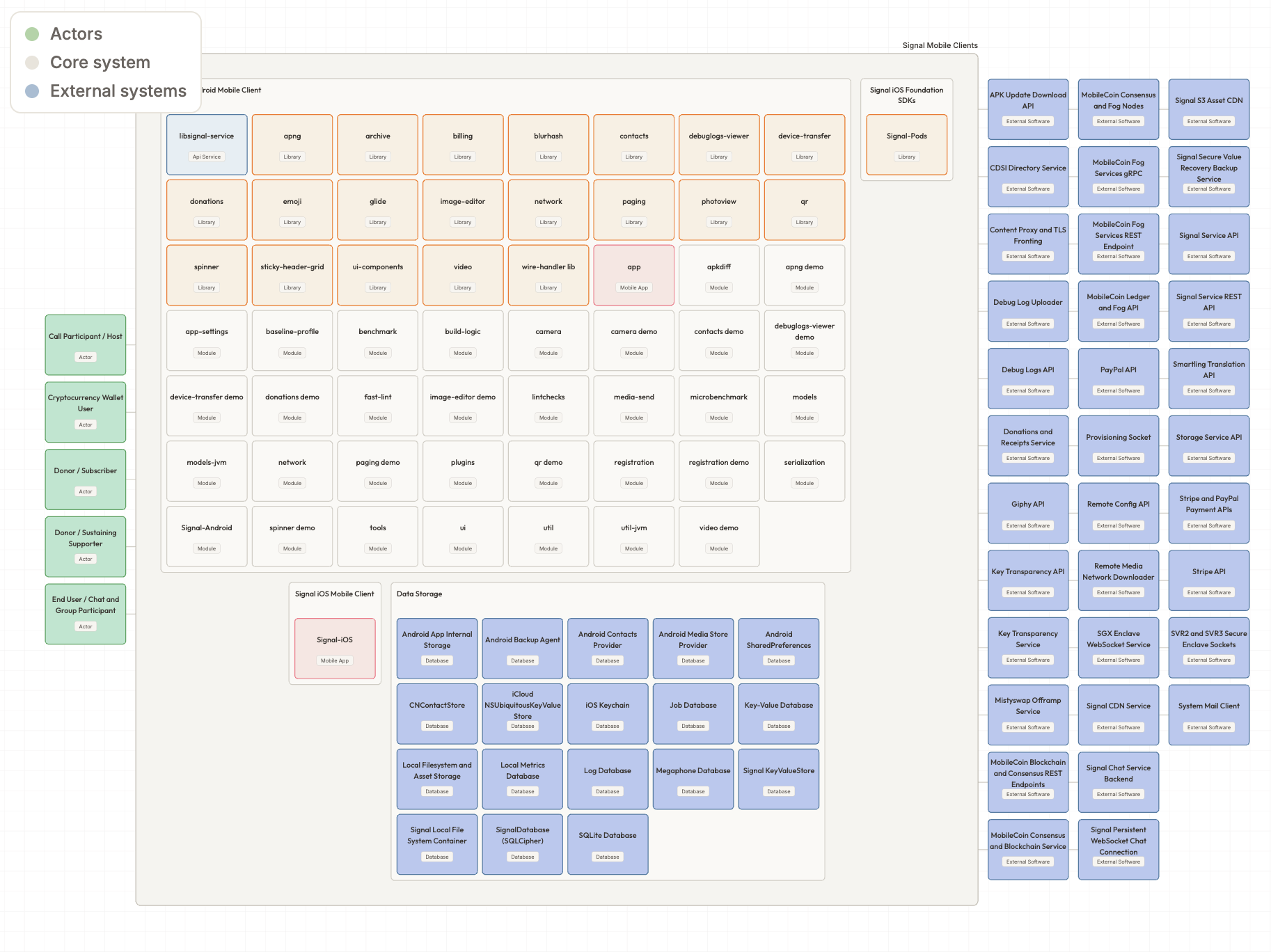
One living software graph that connects every repository, service and dependency, with nothing to maintain.
Product, leadership, engineers and AI agents work from the same context, from a single change to a company-wide initiative.
Legacy engineering tools force teams to buy, integrate, and maintain three or four separate platforms. Comper consolidates software context, engineering metrics, developer portal visibility, and code quality into a single, automated spatial canvas.
Health scores, ownership, and architecture are computed directly from real Git history and static code analysis. No manual YAML registration, no stale portal data.
An infinite, living, zoomable visual map connecting repositories, architecture diagrams, and team ownership in real time.
Native Model Context Protocol (MCP) context, AI tool adoption tracking, and agent-readiness scoring designed specifically for the AI coding era.
Replace separate subscriptions for engineering productivity (Swarmia), developer catalogs (Backstage/Port), and code quality engines.
Provides the foundations, services, and standards that enable developers to build and ship software efficiently.
Provides visibility into code health, quality, and engineering metrics to drive better decisions and outcomes.
Help developers and engineering leadership plan, build, test, collaborate, and deliver software more effectively.
The shared understanding of the codebase, systems, architecture and developer activity that connects everything.
CodeScene and Comper both analyze software and Git history, understand ownership and knowledge, surface technical risk, identify dependencies, support developers inside their workflow, and provide context to AI agents.
Generated from your source code and Git history on every change, across every repository.
| Capability | CodeScene | Comper |
|---|---|---|
| Source-code analysis | ||
| Git history analysis | ||
| Code health | ||
| Technical debt | ||
| Hotspot analysis | ||
| Knowledge distribution | ||
| Bus-factor / knowledge risk | ||
| Code ownership | ||
| Change coupling | ||
| Architecture views | ||
| PR analysis | ||
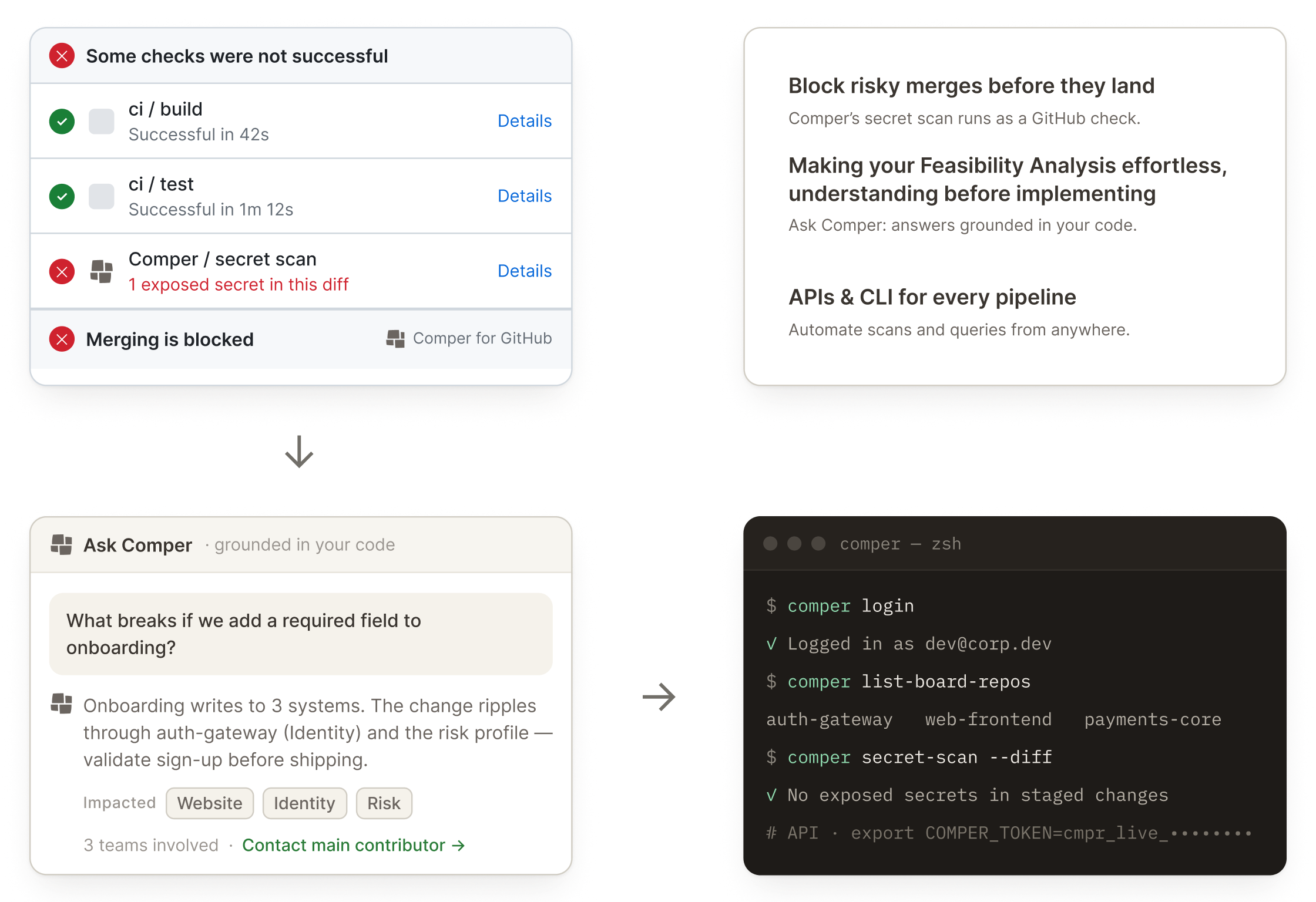
| AI coding support | ||
| MCP | ||
| Automated refactoring | ||
| Code-quality gates | ||
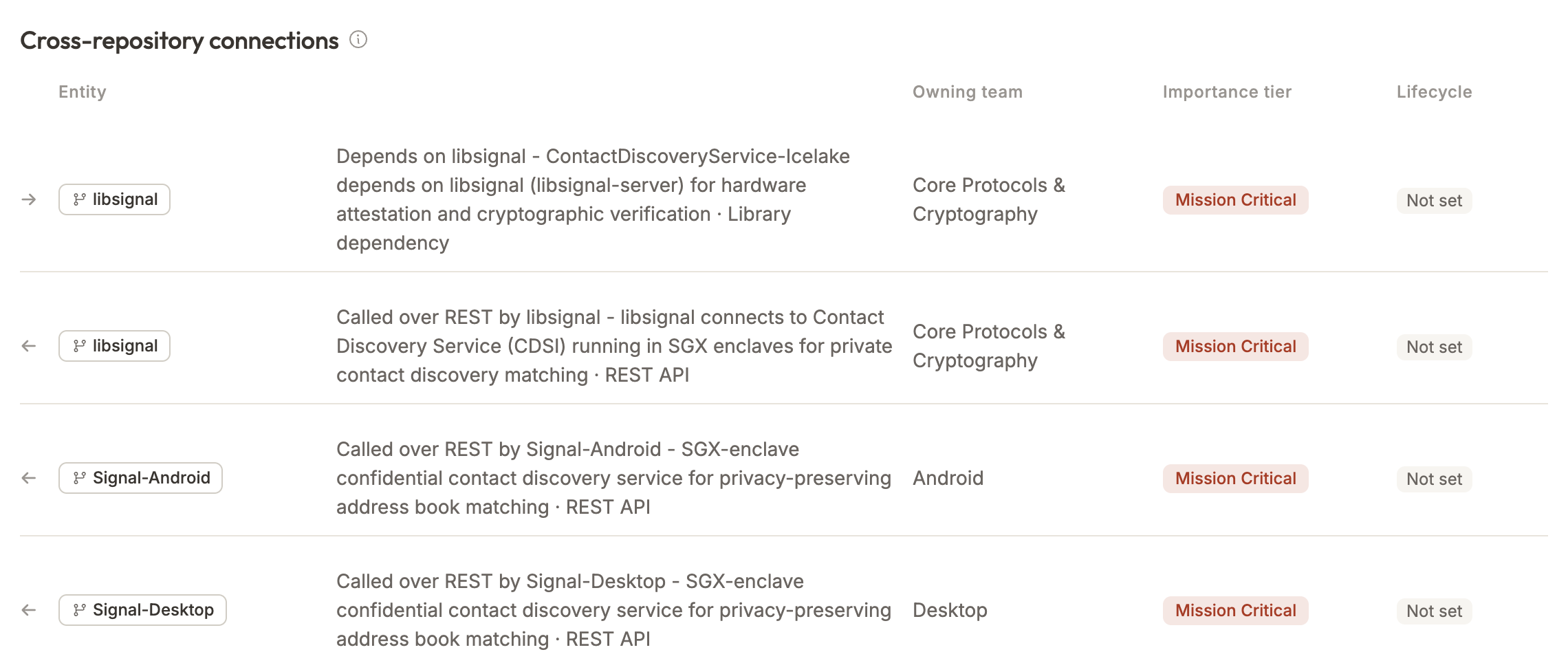
| Cross-repository software graph | Limited | |
| Product flow → software implementation | ||
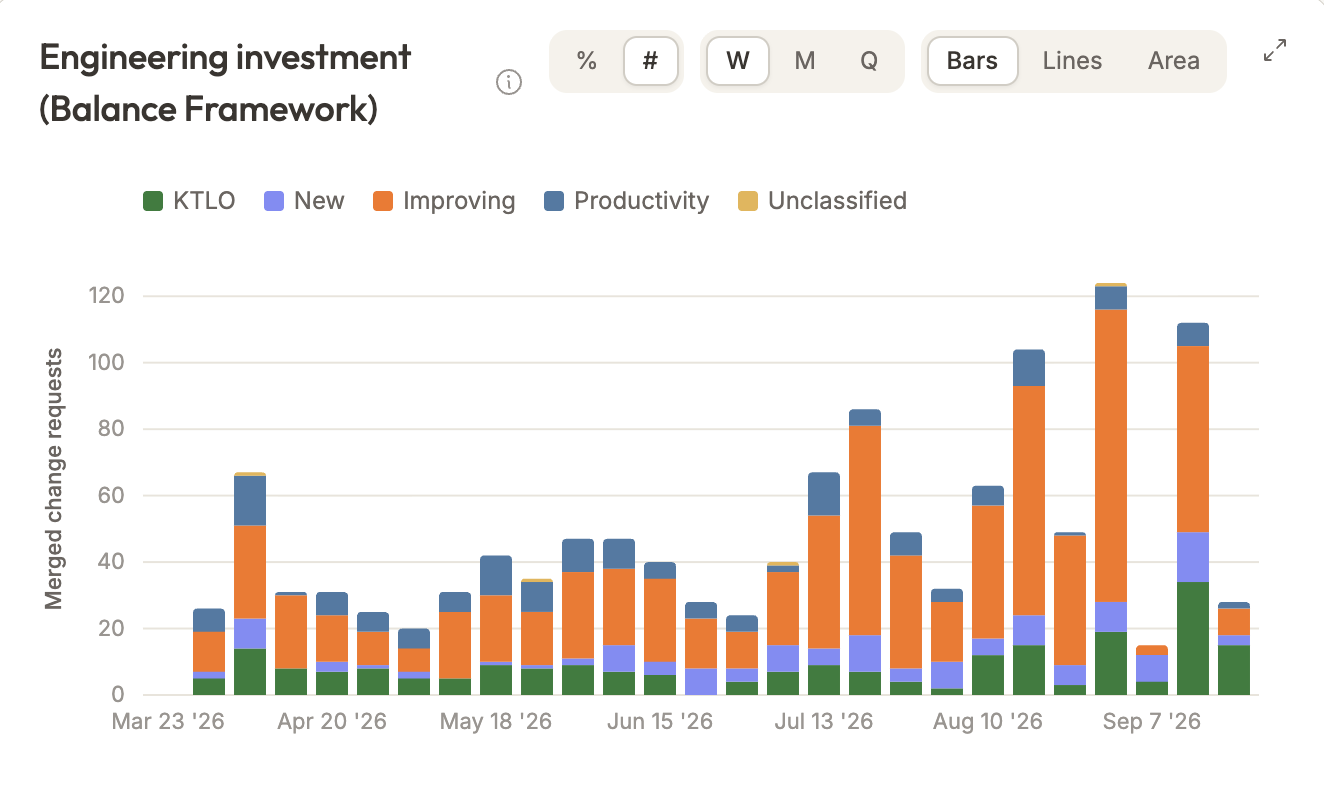
| Product-level engineering investment | Limited | |
| Business intent → technical impact | ||
| Pre-build initiative impact | Limited | |
| Cross-system change reasoning | Limited | |
| Context for Product & Leadership | Code-health focused | |
| High-level intent → agent action | Limited | |
| Deployment options | On-prem or cloud | On-prem or EU-hosted SaaS |
Code + Git history → Code Intelligence → Improvement
Make the code easier and safer to change.
Software + history + product context → Living Software Graph → Change
Software context
Understand what should change and make it happen.
CodeScene is particularly strong when the problem is: “Our code is becoming expensive and difficult to maintain.”
Comper is built for a broader problem: “Our software has become too complex to understand every time the company wants to change something.”
That matters more as AI agents are asked to take on larger pieces of work, not just help developers write code.
The bottleneck moves from writing code to having enough context to know what should be changed.
Choose Comper when the question starts above the code.
When Product says “Change onboarding”, Leadership says “Enter a new market”, Engineering says “Replace this platform”, or an AI agent needs to work out “What actually needs to happen?”, Comper connects that intent to the technical reality underneath it.
Then it gives humans and agents the context to reason about the impact and act.
Choose CodeScene if your primary goal is improving maintainability and systematically managing technical debt.
If you want rigorous Code Health metrics, hotspot analysis, knowledge-loss detection, quality gates and AI-assisted refactoring, CodeScene has spent years specializing in exactly that problem.